
Fire risk assessments in Belfast
Praesidium carries out fire risk assessments for housing associations, landlords, property managers and businesses across Northern Ireland.
How it works
Email or WhatsApp me
Use the contact form or WhatsApp to tell me about the building, and we will agree a date for the visit.
Exchange of information
Before the visit, you send what I need to prepare, such as the building address, previous fire risk assessments, any enforcement notices, floor plans and building details.
Assessment at your building
I visit in person and walk through every part of the building I am assessing.
Your written report
You receive a clear report with the actions to take, within 5 working days of the visit.
What every assessment covers
The people, the daily routine and the building itself all shape the actions in your report.
Escape routes and exits
I walk every route out of the building and check that it is clear, well signed and leads to a place of safety. I also check that exit doors open easily without a key.
Evacuation strategy
I check that the evacuation strategy suits the building and the people in it, whether everyone leaves at once or residents stay put, and that staff and residents know what to do.
Compartmentation and fire doors
I check that walls, floors and ceilings hold back fire and smoke, including where pipes and cables pass through. Fire doors must close fully on their own, fit their frames and have intact seals and hinges, because a door that is wedged open or damaged gives no protection.
Fire alarms and detection
I check that the alarm and detection suit the fire strategy and the evacuation plan, and that the system is tested and serviced. I also report any faults or isolated zones I find.
Emergency lighting and signs
I check that escape routes stay lit if the power fails and that the signs point the right way. I also check the records of the regular lighting tests.
Sources of ignition
I look for what could start a fire, such as electrical equipment, heaters, cooking and smoking areas. I also check that anything that burns easily is stored away from them.
Fire safety provisions and records
I review your fire safety provisions and records, such as logbooks, test records and service agreements, and help you close any gaps. You also get practical guidance on keeping good records.
The buildings I assess
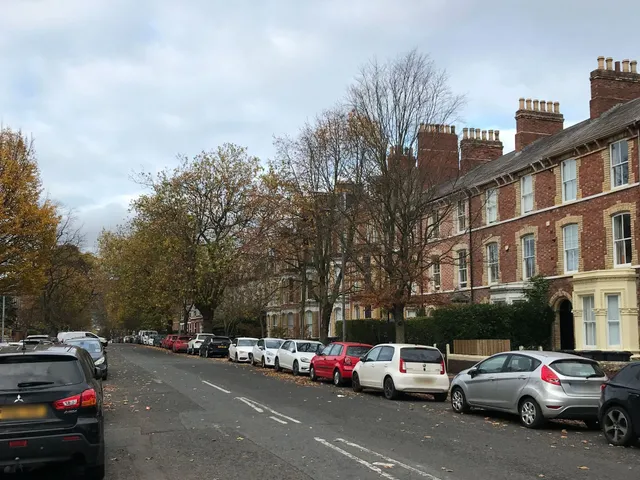
Houses in multiple occupation
In an HMO, several households share the same escape route, so the protection has to work for everyone in the house.
- Fire doors to every bedroom and the kitchen
- Alarm and detection suited to the size of the house
- A protected escape route for every tenant
- A report ready to go with an HMO licence application
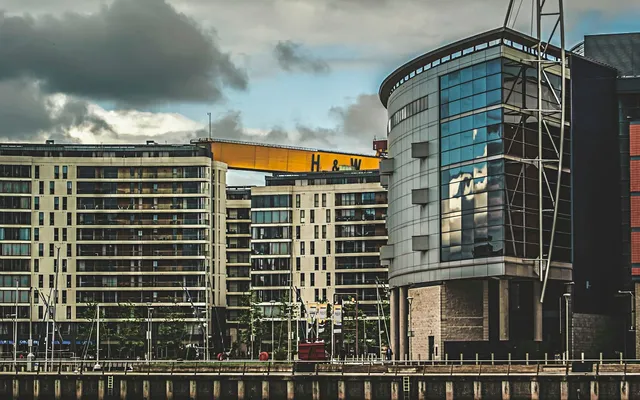
Blocks of flats and social housing
In a block of flats, the shared areas must stop a fire in one flat from spreading through the building.
- Stairs, corridors and landings
- Flat entrance doors and compartmentation
- Bin stores, plant rooms and cupboards
- Clear actions for housing associations and managing agents

Restaurants and hotels
Commercial kitchens, busy dining rooms and guests who sleep on site each bring their own risks.
- Kitchen equipment, extraction and gas
- Seating layout and the routes through the dining room
- Escape from every bedroom, by day and by night
- Staff procedures and training records

Offices and shops
Staff, visitors and customers need a quick way out, often from more than one floor.
- Single units or whole buildings, owned or leased
- Stockrooms, storage and back of house areas
- Escape routes from every floor
- Alarm, emergency lighting and signs
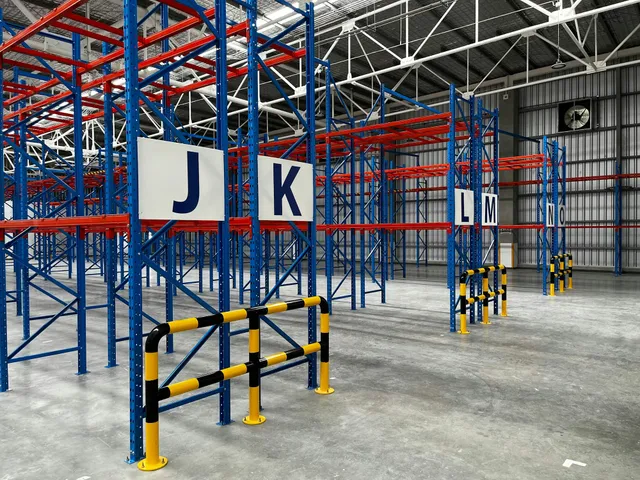
Warehouses and depots
Racking, stored goods, vehicles and long escape routes need careful planning.
- Racking, storage and stock levels
- Vehicle areas, battery charging and workshops
- Travel distances and exits
- Transport and infrastructure depots
Supported living and small care homes
Where residents may need help to escape, the assessment looks closely at each person's needs.
- How each resident would be warned and helped out
- Night time staffing and the evacuation plan
- Fire doors and compartmentation that hold back fire
- Person-centred reviews through my consultancy
Your report shows what to fix first
You receive a written report that you can act on straight away and keep as your record of the assessment.
- A description of the building and the people who use it
- The fire hazards I found and who they put at risk
- An overall risk rating for the building
- Actions to take, in order of priority
- A recommended date for your next review

Fire risk assessment
OVERALL RISK: MODERATE
Executive summary
- Likelihood of fire
- Medium
- Consequence of fire
- Moderate
| Ref | Action | Priority |
|---|---|---|
| 1 | Stored furniture narrows the escape route | P1 Immediate24 to 48 hours |
| 2 | Kitchen fire door does not close fully | P2 High1 to 4 weeks |
| 3 | No record of emergency lighting tests | P3 Medium1 to 3 months |
Questions about fire risk assessments
What is a fire risk assessment?
A fire risk assessment is a careful look at your building to find what could start a fire, who would be at risk and whether everyone could get out safely. It ends with a written report of the actions to take.
Do I need a fire risk assessment in Northern Ireland?
Yes, if you are responsible for a business, a workplace or a building that other people use. The Fire and Rescue Services (Northern Ireland) Order 2006 places that duty on the person in control of the premises, and if you employ five or more people the findings must be recorded.
How much does a fire risk assessment cost?
The cost depends on the size of the building, how it is used and how many people use it. Call or WhatsApp me with those details and I will give you a quote before the visit.
How quickly will I get my report?
Your written report is ready within 5 working days of the visit.
What are Type 1, 2, 3 and 4 fire risk assessments?
These four types are used for blocks of flats. Type 1 covers the common parts without opening up the structure, and it is the usual choice. Type 2 also opens up parts of the structure in the common areas, and Types 3 and 4 add the flats themselves, without and with opening up.
Will I get a fire risk assessment certificate?
There is no official certificate for a fire risk assessment in Northern Ireland. What counts is the written assessment, kept up to date, and that is what my report gives you.
Does the Northern Ireland Fire & Rescue Service carry out fire risk assessments?
No. NIFRS enforces fire safety law and publishes guidance, but the assessment is the duty of the person in control of the building, who can appoint a competent assessor to carry it out.
How often should a fire risk assessment be reviewed?
The law asks for regular reviews and for a review after any significant change, and the fire service recommends one at least every 12 months. My article explains the rules in full.
Does a fire risk assessment expire?Book a fire risk assessment
Call, WhatsApp or send a message with a few details about your building, and I will arrange a visit.